Quote of the Day: Helen Keller
I long to accomplish great and noble tasks,
but it is my chief duty and joy to accomplish humble tasks
as though they were great and noble.
~Helen Keller

I thought of the earthworm when I read this quote. Always working away under the ground, not often seen or appreciated. I can really relate to this quote, as an introvert I’m not one to volunteer for those out in the open tasks. I find much more satisfaction and reward in working behind the scenes, doing those jobs others often find repetitive & boring. Gardening is my favorite humble task, when planting, raking and weeding you can let your mind wander while your fingers and hand work away. You get a deep sense of satisfaction at a job well done and the bounty and beauty from you garden, and these they are often only enjoyed by you.
What’s your favorite humble task?
Share this:

Making the Most of Time in the Kitchen
It’s been a busy busy week here at Chiot’s Run. With the Real Food Challenge going on at Not Dabbling, sugaring our maples and all the usual work and activities I haven’t had much time for blogging. I’m reposting this from Not Dabbling. I thought some of you who don’t read over there would enjoy this article.
*****
When it comes up in conversation that I make everything from scratch, including butter, bread, pasta, etc, I often hear, “Oh, well, if I had time for that I would, but I’m so busy.” I must admit, it’s not that I have more hours in the day than everyone else, I have two almost full-time jobs (that’s 2 full-time jobs not 2 jobs that equal 1 full-time job) and write for 4 blogs. I grow some food, can & freeze food in the summer, we sugar our maple trees and keep bees. We don’t have kids running around which saves us time, but I still have to make the best use of my time in order to get things done. Mr Chiots helps out a great deal as well, although since we own a business he spends between 60-80 hours a week working as well. We both work from home, which saves us time commuting and allows us to monitor certain projects during the work day.

I must admit, I love to cook, always have. I enjoy spending time in the kitchen, chopping vegetables, kneading bread, churning butter. Being in the kitchen is usually relaxing for me and it’s a great creative outlet. It’s kind of like gardening, you can let your mind wander while you’re hands do the work. That being said, I don’t have time to spend hours in the kitchen each night, I have to get my blog posts written! Over the years I’ve developed ways to make the most of my time in the kitchen, today I’ll share what works for me. After spending some time cooking you’ll start to develop your own techniques that work well for you.
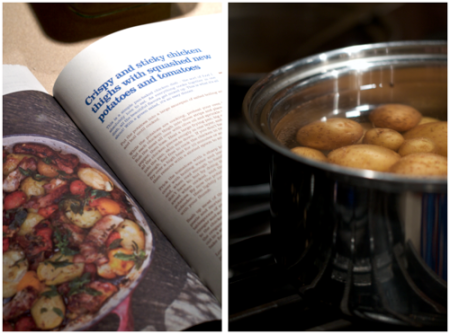
Cooking from scratch doesn’t mean being a “foodie” and having sun-dried tomatoes, capers, truffles, white wine sauce and pancetta in the pantry. It’s no wonder people buy canned or pre-made items, if they feel “cooking from scratch” equals gourmet meals with all kinds of dishes. There are times when I make gourmet meals with exotic ingredients and many components. Most of the time, in day-to-day life, we focus on eating good quality simple meals consisting of a few ingredients, often all in one dish.

The best way I’ve found to save time in the kitchen is to “Keep it Simple”. Forget what you’ve learned about meal components and what makes a “healthy” meal. Cooking from scratch can be overwhelming if you feel you need to have a meat, a few veggies and a fruit for each meal. When you make meals from scratch you can focus on making nutrient dense foods so you don’t have to be cooking/eating as many different dishes. For example, when I make tomato soup I use my home canned soup (made with tomatoes, celery, onions, parsley) and I add equal parts chicken stock and some butter to the soup (bones stocks add loads of vitamins, minerals, trace elements & nutrients and butter, especially pastured milk butter, adds lots of healthful fats to your meals). I also add spices & herbs, often Italian spices, fresh basil, dried oregano, parsley (herbs also add vitamins, minerals and trace elements). Often I’ll top the soup with some grated raw milk cheese and a side of crusty sourdough bread topped with lots of butter. Because I’m getting so many vitamins & minerals from what’s in the soup (spices, herbs, bone broth, butter, vegetables), I don’t need to add anything to this meal, I’m getting tons of nutrition from one hearty bowlful.
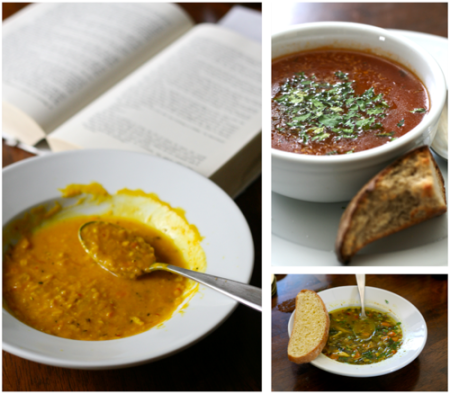
Learning to cook good simple food is a beautiful thing. Realizing that you don’t have to have a meat, two vegetables, a fruit and bread to have a “complete” meal is liberating. It opens the door to creative casseroles, stews loaded with all kinds of goodness or meatless meals that are surprisingly filling and delicious. Learning to put your vegetables/fruits into the main dish saves tons of time. Instead of having chicken with side of rice, peas and carrots, how about making a pot of chicken and rice, with everything in one dish. You save time by cooking everything together, you can add broth and extra spices that add extra nutrients to your food. Not only do you save time by not cooking 4-5 different things and having 4 pots on the stove, you also save money and so much time washing pots! Double or triple that recipe and you’ll save even more time.

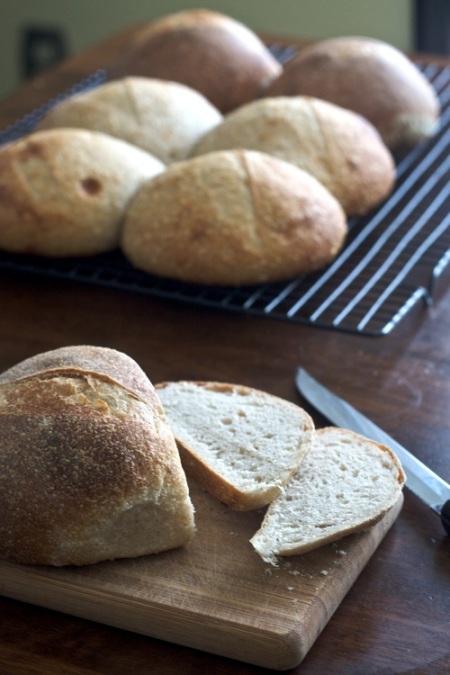
“Doubling the Recipe” is another technique I often employ to save time. It doesn’t take much longer to double a batch of soup, to make an extra pan of lasagna, or to double a batch of bread. You can freeze the extras in meal sized portions for your family and have quick meals ready to go on busy days. Spend a lazy Sunday afternoon making 2-3 pots of different kinds of soup and you’ll have a couple weeks worth of lunches or dinners out of the way. Not only will you save time by not having to cook every night, you’ll have quick meals in the freezer ready to go. I often quadruple my bread recipes (generally making 2 double batches) so I have a nice stockpile of bread in the freezer for the summer months when I don’t feel like baking.
Learning to “Creatively Turn Leftovers Into New Dishes” is another great way to save time in the kitchen. If you don’t mind leftovers you could just make up big batches of things and eat on them all week, which we often do for lunches. Dinners often call for something different though, so I try to find ways to be creative with our leftovers. For example, if I decided this week I want roasted chicken and potatoes on Sunday evening, I’ll roast an extra chicken and extra potatoes that evening. I can make a big batch caramelized onions to use with the leftover chicken all week while it’s roasting. I now have a whole chicken, extra potatoes and a big container of caramelized onions to use for future meals during the week. Monday we can have chicken quesadillas, filled with roasted chicken, onions, greens, salsa. Tuesday we can have chicken pizza, pizza topped with chicken, sun dried tomatoes, olives, peppers and onions. Wednesday we can have BBQ chicken sandwiches, topped with onions and cheese with a side of baked potato fries (made from those roasted potatoes). Thursday evening we can have we can enjoy omelets with chopped with potatoes, onions, and cheese. Friday a hearty chicken vegetable soup made from the bones and extra leftover chicken (you can make this any night of the week after you pick the chicken off the bones and freeze it).

Make sure you “Have Fun with Your Food”. Let your kids pick out a new fruit or veggie at the grocery store. Have one night a week called “smorgasboard” make it a meal of all the leftovers in the fridge that need eaten up. We have at times had meals like this made up of: baked beans, fried plantains, pizza, salad, green beans, etc. Make “leftover” pizza, topping your pizza with whatever leftovers you find in the fridge (we’ve had some surprisingly good pizzas topped with odd items). Make it a game and your family with love it.
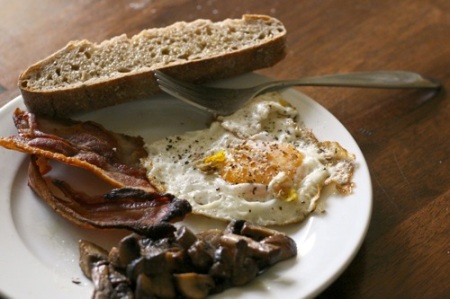
“Learn to Make Some Quick or On The Go Meals”. When we’re out late and are hungry having a quick meal you can make within 15 minutes of getting home will save you from eating out (plus carrying a few snack whenever you leave home helps as well). Eggs make the perfect quick meal, they’re healthy and they cook up in a flash. Fried or scrambled eggs with some homemade ketchup & toast topped with preserves. How about an English muffin egg sandwiches when you need a portable meal to take with you as you run out the door. And don’t forget about the humble peanut butter & jelly, very delicious, nutritious and portable! We often have tomato soup as a quick meal, or something from the freezer.
Do you have any great time-saving tips to share? How about some creative ways to use up leftovers?
Share this:

Using Canning Jars in the Freezer
I like to use wide mouth canning jars for freezing vegetables, soups and stocks. Wide mouth canning jars are much cheaper than the glass containers you buy for freezing and food storage. Generally you can get them for less than a dollar a piece, which makes them an economical option if you’re wanting to move away from plastic when it comes to food storage because of BPA and chemicals leeching into food. It can be a bit pricey to replace all your plastic with pyrex, but at about $10/dozen, canning jars are a less expensive option.

You may worry about freezing in glass because of the possibility of breakage, but there are a few things you can do to minimize this chance. Do not fill jars all the way, most wide-mouth canning jars have a “freeze fill line” marked on the side of the jar. Using smaller jars also helps, with less liquid you don’t have to worry as much about expansion and the possibility of breaking the jar. The larger the jar the more expansion room you’ll need to allow. I freeze in jars often and have only had a broken jar once, it was my fault for filling it too full and not allowing enough expansion room. (another note, make sure the stock or veggies are cold before putting into freezer)

I prefer using half-pint and pint jars since they’re small and for a family of 2 they’re the perfect size. When I freeze chicken stock I reduce the stock to double strength and freeze in pints, this means each pint of stock is actually a quart, I simply add an extra pint of water to the recipe. This helps saves on freezer space and allows me to use the smaller pint jars.

Another reason I like using canning jars is because I can save my used lids and give them second life. I hate one-use items, it feels to wasteful so throwing them away. I have a box in the basement with canning lids that didn’t get too bent during opening. By doing this I don’t have to have tons of the plastic one piece lids around either, which can be expensive and they take up more space. Using glass jars also keeps me from using plastic zipper bags for items like corn & beans. Every time I can use a reusable glass jar instead of plastic is happy day for me.
What’s your container of choice when it comes to the freezer? Have you ever used canning jars for freezing?
Share this:

Prime Sugaring Weather
As part of the Real Food Challenge over at Not Dabbling, we’re all posting about real Food today. Can you get any more real than homemade maple syrup???

Yesterday was the most beautiful day here in Ohio. It was sunny and warm (well 40 degrees which is warm this time of year). The morning was frosty, with temps down in the teens. All the sap that was flowing the day before had stopped and was frozen in the spiles. It didn’t take long for them to thaw out with the sun and warmth and start flowing again. These are prime sugaring temps; you want it to be above freezing during the day and below freezing at night. The rest of this week and next week look like it’s going to be beautiful, especially for sugaring.

At first we weren’t getting much sap so we saved it for about a week until we had 15-20 gallons. We stored it outside in big pots to keep it cool, since sap will spoil. The sap is flowing nicely now, so we’re keeping up with it by boiling constantly. Yesterday we collected 7 gallons of sap from our 20 taps. Mr Chiots heads out several times a day to collect sap since we don’t have big sap buckets that hold a lot.

We bring it inside and let it sit inside to warm up a bit. Then I strain it through a coffee filter into a big stock pot on the stove, this strains out any wood chips, sticks and any other dirt. We warm the sap in this stock pot and when it’s boiling we transfer it to big kettle that’s boiling outside. We do this to keep the big pot outside at a rolling boil, if you keep pouring cold sap into the boiling sap it will take longer to reduce into syrup.

At the moment we’re reducing the sap over a big propane burner by the garage. Our fire pit is buried in snow, as is all the firewood. If the sap starts flowing more rapidly with the warm weather we’re going to start reducing half of the sap over the fire and make kettle syrup.

I haven’t finished any syrup yet, I ran out of time last night. I plan on finishing our first batch today. I think we’ll end up with about a half a gallon from our first boil down.

Sugaring is the first signal of spring for me, it begins the outdoor work. Soon enough I’ll be spending the crisp days building rock walls and hopefully making some new garden space.
What’s your first outdoor activity in the spring?
Share this:

Feeding Indoor Plants
It’s the season to feed those indoor plants. Typically plants are dormant in winter and are actively growing from early spring to late fall. That means that this is the time when plants are waking up again and getting ready to sprout new growth since the days are getting longer. This means that your houseplants need some feeding to help with that growth.

I spent some time this past weekend feeding the indoor plants so they’re ready for the growing season. I like to keep them in good shape since I rely on them to keep the air in the house nice and clean. I use an organic fertilizer and some worm castings as a top dressing for the potted plants. It’s easy and only takes a few minutes.

With this feeding my plants should have a nice burst of food for the new spring growth. I’ll feed them again at the beginning of the summer and then again in late summer. No feeding in the late fall, I don’t want to stimulate early growth. I generally remember to feed around Valentine’s Day, Memorial Day and Labor Day.

I’ll also spend some time in the next couple weeks pruning the houseplants, and any that are getting too big for their containers will be repotted for the growing season. Keeping your houseplants in top shape will ensure that they’re healthy and thriving and doing their job keeping the air inside your home clean and healthy.
Do you have specific times to feed houseplants?

